

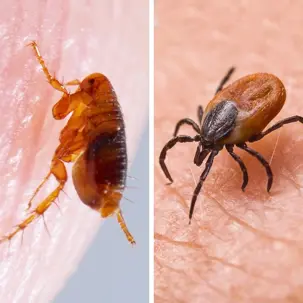
Fleas & Ticks in Spring: Protecting Your Pets and Property
As spring settles into Southwest Florida, warmer temperatures and rising humidity don’t just wake up your lawn—they also bring an increase in flea and tick activity. These pests thrive in our climate and can quickly become a problem for both your pets and your home if left untreated.
Understanding how fleas and ticks behave this time of year—and what you can do to stop them—can make all the difference in keeping your property safe and comfortable.
Why Fleas & Ticks Are a Problem in Spring
Spring creates the perfect conditions for fleas and ticks to reproduce and spread. As temperatures rise, these pests become more active and begin searching for hosts—most often your pets.
Once they find a host, fleas can multiply rapidly, laying eggs in your pet’s fur, your carpet, and throughout your yard. Ticks, on the other hand, tend to wait in shaded grass or shrubs, attaching to pets or people as they pass by.
Left unchecked, both can quickly turn into a full-blown infestation.
Risks to Pets and Families
Fleas and ticks are more than just a nuisance—they can pose real health risks.
For pets:
- Constant itching and discomfort
- Skin irritation and infections
- Flea allergy dermatitis
- Transmission of diseases (especially from ticks)
For humans:
- Painful bites and skin irritation
- Potential exposure to tick-borne illnesses
- Fleas entering your home and infesting carpets and furniture
In a climate like Southwest Florida, where outdoor living is a big part of daily life, prevention is key.
Where Fleas & Ticks Hide Around Your Property
Many homeowners assume these pests only come from other animals—but your yard can easily become a breeding ground.
Common hiding spots include:
- Shaded areas of the lawn
- Overgrown grass and landscaping
- Under decks, patios, and shrubs
- Areas where pets rest or play
Moist, humid environments—especially those created by overwatering—make these areas even more attractive.
How to Protect Your Pets and Property
Keeping fleas and ticks under control requires a combination of good habits and proactive treatment.
1. Maintain Your Lawn
Regular mowing and trimming reduces shaded, humid areas where pests thrive.
2. Be Mindful of Irrigation
Overwatering can create ideal conditions for fleas and ticks. Stick to proper watering practices to avoid excess moisture.
3. Check Your Pets Regularly
After spending time outdoors, inspect your pets for signs of fleas or ticks—especially around the ears, neck, and underbelly.
4. Use Preventative Pet Treatments
Talk to your veterinarian about flea and tick prevention products to protect your pets year-round.
5. Treat the Source—Your Yard
If fleas and ticks are present in your lawn, they will continue to come back no matter what you do indoors. Treating the yard is essential for long-term control.
Why Professional Treatment Makes a Difference
DIY treatments may offer temporary relief, but fleas and ticks are persistent—especially in Florida’s climate. Professional pest control targets the entire lifecycle of these pests, helping to eliminate current infestations and prevent future ones.
At Westfall’s Lawn & Pest, we provide targeted treatments designed specifically for Southwest Florida properties. Our approach helps reduce flea and tick populations in your yard so you and your pets can enjoy your outdoor space without worry.
Enjoy Your Yard Without the Pests
Spring should be a time to enjoy your lawn—not worry about what’s hiding in it. With the right preventative steps and professional support, you can protect your pets, your home, and your peace of mind.
Take Action Before It Becomes a Problem
If you’ve noticed increased pest activity or want to get ahead of flea and tick season, now is the time to act.
Contact Westfall’s Lawn & Pest today to learn more about our flea and tick control services and keep your property protected all season long.