

Grub Activity in Spring Lawns: What Homeowners Need to Know
As your lawn begins to wake up in the spring, it’s easy to focus on greener grass and new growth. But beneath the surface, there may be hidden activity that can impact the health of your lawn—grubs. These lawn pests can cause damage if left unchecked, making early awareness and prevention especially important during the spring season.
What Are Grubs?
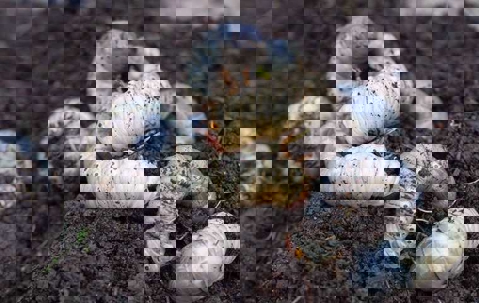
Grubs are the larvae of beetles, most commonly June bugs or chafer beetles. They live underground and feed on the roots of your grass. While they are more commonly associated with late summer and fall damage, grubs can still be active in spring as they continue feeding before maturing into adult beetles.
Why Grubs Matter in Spring
During early spring, grubs that survived the winter move closer to the surface as soil temperatures rise. At this stage, they begin feeding again on grassroots, which can weaken your lawn just as it’s trying to recover from the cooler months.
Even moderate grub activity can stress your lawn, making it more vulnerable to drought, disease, and other pests later in the season.
Signs of Grub Activity
Because grubs live below the surface, the damage isn’t always immediately obvious. However, there are several warning signs to watch for:
- Brown or thinning patches that don’t improve with watering
- Spongy or soft turf when you walk across the lawn
- Grass that pulls up easily like a loose carpet
- Increased activity from animals like birds, raccoons, or armadillos digging for food
If you notice any of these signs, it’s a good idea to inspect your lawn more closely.
How to Check for Grubs
One of the simplest ways to confirm grub activity is to dig up a small section of your lawn about 2–3 inches deep. If you find several white, C-shaped larvae in the soil, you may have a grub problem.
A few grubs are normal, but higher numbers can lead to noticeable damage if not addressed.
Preventing Grub Damage
Spring is a great time to start thinking about prevention. While the most effective treatments often target grubs later in their life cycle, maintaining a healthy lawn now can reduce the risk of serious damage.
Here are a few steps you can take:
1. Maintain a Healthy Lawn
Proper fertilization and watering help your lawn stay strong and more resistant to pest damage.
2. Monitor for Early Signs
Catching grub activity early can prevent widespread damage later in the season.
3. Address Lawn Stress
Fix drainage issues and avoid overwatering, which can create favorable conditions for pests.
4. Plan Preventative Treatments
Working with a professional can help ensure treatments are applied at the right time for maximum effectiveness.
Why Professional Lawn Care Helps
Grub control isn’t just about treating the problem—it’s about timing and prevention. Applying treatments at the wrong time may not be effective, which is why professional guidance can make a big difference.
At Westfall’s Lawn and Pest, we understand the life cycle of lawn pests in Southwest Florida and tailor our treatments accordingly. We help monitor your lawn, identify potential issues early, and apply the right solutions to protect your grass from the ground up.
Protect Your Lawn This Spring
Your lawn’s health starts below the surface. By staying aware of grub activity in the spring and taking proactive steps, you can prevent damage and set your lawn up for a strong growing season.
If you suspect grub activity or want to stay ahead of potential problems, Westfall’s Lawn and Pest is here to help.
Contact us today to schedule your lawn inspection and keep your lawn healthy, green, and protected all season long.