

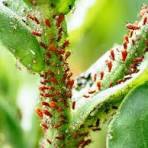
Aphids Are Starting to Show Up on Shrubs in Southwest Florida
As temperatures begin warming up across Southwest Florida, we’re starting to see one of the first spring pest issues emerge — aphids.
While they may be tiny, aphids can quickly cause noticeable damage to ornamental shrubs if left untreated. February and early spring are prime times for populations to begin building, especially on fresh, tender new growth.
What Are Aphids?
Aphids are small, soft-bodied insects that feed by sucking sap from plant tissue. They typically gather in clusters on new growth, stems, and the undersides of leaves.
Because they reproduce rapidly, a minor issue can turn into a heavy infestation in a short period of time.
Common Plants Aphids Target in SWFL
In Southwest Florida landscapes, aphids frequently attack:
Hibiscus
Ixora
Gardenias
Viburnum
Firebush
Roses
If your shrubs are pushing new growth, they’re especially attractive to aphids right now.
Signs You May Have an Aphid Problem
Homeowners often notice the symptoms before they see the insects themselves. Look for:
Sticky residue on leaves (known as honeydew)
Black sooty mold developing on foliage
Curling, twisting, or distorted new growth
Yellowing leaves
Increased ant activity around shrubs
Ants are often a key indicator because they feed on the honeydew aphids produce and will “farm” them for food.
Why Early Treatment Matters
Aphids weaken plants by draining sap from tender growth. If populations explode, they can:
Stunt new growth
Reduce flowering
Cause premature leaf drop
Create heavy mold buildup that affects plant health and appearance
Catching and treating aphids early prevents long-term damage and helps shrubs stay strong heading into peak spring growing season.
Professional Aphid Control in Southwest Florida
At Westfall’s Lawn & Pest Control, we monitor landscapes closely during this transitional time of year. Our targeted treatments are designed to:
Eliminate active aphid infestations
Protect new growth
Reduce repeat outbreaks
Keep shrubs healthy and vibrant
With proper monitoring and early intervention, aphids don’t have to take over your landscape.
If you’re noticing sticky leaves, black mold, or curling growth, now is the time to act.
Contact Westfall’s Lawn & Pest Control today to schedule a shrub inspection and keep your landscape looking its best this spring.