

Brown Patch Fungus in February: What Westfall’s Lawn & Pest Control Is Seeing in Southwest Florida
At Westfall’s Lawn & Pest Control, February is one of the most important months for protecting lawns across Manatee County and surrounding Southwest Florida communities.
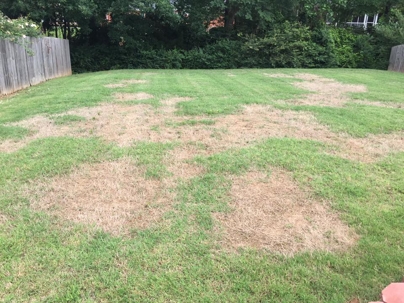
If you’re noticing circular brown spots forming in your St. Augustine grass right now, there’s a strong chance you’re dealing with brown patch fungus — one of the most common late-winter lawn diseases in our area.
While much of the country is still frozen, our February weather in Manatee and Sarasota counties creates ideal conditions for fungal activity.
Why Brown Patch Is So Active in February
Southwest Florida winters are mild, but they bring a combination of:
Cool nighttime temperatures (50s–60s)
Mild daytime warmth
Heavy morning dew
Increased humidity
Occasional rainfall
These conditions create the perfect environment for brown patch fungus to thrive.
Unlike northern lawns, our grass doesn’t fully go dormant. Growth slows, but turf is still alive — and that makes it more vulnerable to disease when stressed.
At Westfall’s, February is when we intensify monitoring for fungal development because we know how quickly it can spread under these conditions.
The Grass Most at Risk in Manatee County
Brown patch primarily affects St. Augustine grass, which is the dominant turf type throughout:
Bradenton
Lakewood Ranch
Palmetto
Parrish
Sarasota and surrounding communities
Zoysia and Bermuda grass can also be affected, but St. Augustine is especially susceptible during cooler, damp periods.
Signs Westfall’s Technicians Look For
When servicing lawns in February, our team looks for:
Circular or irregular brown patches
Yellow or orange outer rings around affected areas
Thinning turf
Grass blades that pull up easily
Areas that resemble drought stress even with irrigation
Proper identification is critical. Brown patch can sometimes be confused with chinch bug damage or cold stress. Treating the wrong issue wastes time and allows the real problem to spread.
The #1 February Lawn Mistake We See: Overwatering
One of the biggest contributors to brown patch in Southwest Florida is irrigation systems that are still set to summer schedules.
In February, lawns require significantly less water. When irrigation runs too frequently:
Soil remains saturated
Roots weaken
Fungal spores multiply
Turf recovery slows
At Westfall’s, we often help homeowners adjust watering practices as part of our winter lawn health strategy.
Why Early Treatment Matters
Brown patch can expand quickly during extended cool, damp stretches.
If left untreated, it can:
Thin large sections of turf
Create weak spots where weeds take over
Slow spring green-up
Lead to costly sod replacement
Because lawns recover more slowly during winter months, early intervention is far more effective than waiting for spring.
How Westfall’s Protects Lawns in February
Our February lawn care approach focuses on prevention and proactive monitoring:
✔ Targeted fungal treatments when necessary
✔ Irrigation guidance to prevent excess moisture
✔ Proper winter nutrient balancing (avoiding heavy nitrogen)
✔ Routine inspections to catch issues early
✔ Identifying pest vs. disease damage accurately
We focus on long-term lawn health, not quick cosmetic fixes.
Why February Care Impacts Spring Results
Homeowners often think lawn season starts in March or April. In reality, spring success begins in February.
Lawns that stay healthy through late winter:
Green up faster
Develop stronger root systems
Resist pest outbreaks
Maintain thicker coverage
At Westfall’s Lawn & Pest Control, our goal is to make sure your lawn enters spring in the strongest position possible.
Serving Manatee County & Surrounding Areas
We proudly serve homeowners throughout:
Manatee County
Sarasota County
Hillsborough County (select areas)
Surrounding Southwest Florida communities
If you’re noticing brown patches forming this February, it’s better to address them now rather than wait for warmer weather.
Schedule a Lawn Inspection
If you suspect brown patch fungus or are unsure what’s affecting your lawn, our team can help identify the issue and recommend the proper course of action.
Westfall’s Lawn & Pest Control
Local. Family-owned. Focused on long-term lawn health in Southwest Florida.