

Chinch Bugs in St. Augustine Grass
What Manatee County Homeowners Need to Know
If you have St. Augustine grass in Manatee County, chinch bugs are one of the biggest threats to your lawn.
These tiny insects cause some of the most severe turf damage we see in Bradenton, Lakewood Ranch, Parrish, and Palmetto — especially during the warmer months. The frustrating part? Many homeowners mistake chinch bug damage for drought stress or fungus, which allows the problem to spread quickly.
Here’s what you need to know to protect your lawn.
What Are Chinch Bugs?
Chinch bugs are small surface-feeding insects that target St. Augustine grass specifically. They feed by piercing grass blades and sucking out plant fluids while injecting a toxin that disrupts water movement within the plant.
The result: grass that looks dry and dead — even when it’s properly watered.
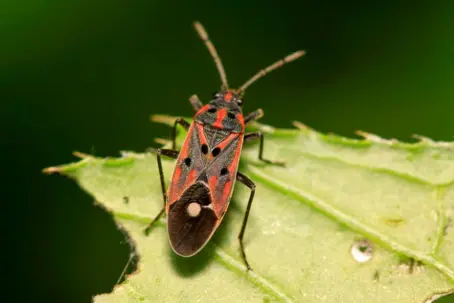
What They Look Like:
Adults are small (about 1/5 inch long)
Black bodies with white wings folded over their backs
Young chinch bugs (nymphs) are reddish-orange with a white stripe
They often cluster near the soil line in sunny areas of the lawn.
Why St. Augustine Grass Is Vulnerable
St. Augustine is the most common turf type in Manatee County because it tolerates heat, humidity, and salt exposure well. However, chinch bugs prefer it over most other grass varieties.
Lawns at highest risk:
Full sun exposure
Drought-stressed areas
Lawns with excessive thatch buildup
Turf weakened by improper fertilization
Chinch bugs thrive in hot, dry conditions — which makes late spring through early fall prime season.
Signs of Chinch Bug Damage
One of the biggest challenges is recognizing the difference between chinch bugs and other lawn issues.
Early Signs:
Small yellow patches in sunny areas
Grass that looks dry despite irrigation
Damage that begins near sidewalks or driveways (heat-retaining surfaces)
Advanced Damage:
Patches turn brown and expand outward
Turf dies in irregular shapes
Damage spreads rapidly in warm weather
Unlike fungus, chinch bug damage typically appears during hotter, drier conditions and worsens quickly if untreated.
Why Damage Spreads So Fast
Chinch bugs reproduce rapidly in Florida’s climate. Multiple generations can occur in a single season.
Because they stay near the surface and move from one area to another as they feed, untreated infestations can expand across large portions of a lawn in weeks.
By the time large brown patches appear, the population is often well established.
Common Misdiagnoses
Many homeowners assume:
The lawn needs more water
It’s a fertilizer issue
It’s fungal disease
Overwatering in response to chinch bug damage can actually weaken turf further and make recovery slower.
Correct identification is critical before applying treatment.
Prevention & Control in Manatee County
A proactive lawn program is the most effective way to prevent chinch bug outbreaks.
1. Routine Monitoring
Regular inspections help detect early signs before widespread damage occurs.
2. Targeted Treatments
Professional-grade products applied at proper intervals control active populations and reduce future outbreaks.
3. Thatch Management
Excess thatch creates the perfect hiding place for chinch bugs. Proper lawn maintenance reduces habitat buildup.
4. Balanced Fertilization
Over-fertilizing can create tender new growth that attracts pests. Proper nutrient management strengthens turf naturally.
When to Call a Professional
If you notice:
Expanding brown patches
Areas that don’t respond to watering
Rapid damage during hot weather
It’s best to have the lawn evaluated promptly.
The earlier chinch bugs are treated, the more turf can be saved — and the less costly recovery becomes.
Protecting Your St. Augustine Lawn
Chinch bugs are a reality of living in Southwest and Central Florida. But with proactive monitoring and proper lawn care, severe damage is preventable.
At Westfall’s Lawn & Pest Control, we specialize in Florida turf management designed specifically for St. Augustine grass and the unique challenges of Manatee County’s climate and soil conditions.
Because in Florida, lawn care isn’t seasonal — it’s year-round.