

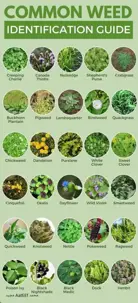
Why Weeds Gain an Advantage Before Spring
Unlike northern states, lawns in Bradenton, Lakewood Ranch, Parrish, and Palmetto don’t fully go dormant. Growth simply slows during cooler months.
That creates the perfect opportunity for weeds:
Turf is thinner from winter stress
Root systems are less active
Daytime temperatures are warming
Soil temperatures approach germination thresholds
When soil temperatures consistently reach around 65–70°F, spring weeds begin to sprout.
By the time you see them, they’ve already established.
Common Late Winter & Early Spring Weeds in Manatee County
1. Crabgrass
One of the most aggressive spring weeds.
Germinates as soil warms
Spreads quickly in thin turf
Difficult to control once mature
Prevention timing is critical.
2. Dollarweed
Also called “pennywort.”
Thrives in moist conditions
Often mistaken for clover
Signals overwatering or poor drainage
It spreads aggressively in lawns with irrigation issues.
3. Chamberbitter
A major summer nuisance that begins early.
Mimics small mimosa trees
Produces seeds quickly
Extremely difficult to control once mature
If you dealt with chamberbitter last year, prevention now is essential.
4. Spurge
Low-growing
Spreads outward in mats
Produces thousands of seeds
It loves bare, thin areas of turf.
5. Sedges (Nutsedge)
Technically not a grass or broadleaf weed.
Grows faster than turf
Bright green color
Thrives in moist soil
Often appears once temperatures consistently warm.
Why February Is a Critical Window
In Manatee County, February often provides a small but important window to apply pre-emergent weed control before widespread germination occurs.
Once weeds emerge:
They compete for nutrients
They crowd out turf
They weaken overall lawn density
They make summer pest issues worse
Pre-emergent applications create a barrier that stops many weeds before they break through the soil.
Timing matters more than volume.
How Thin Turf Makes Weed Problems Worse
Late winter lawns often show:
Traffic damage
Shade thinning
Areas weakened by fungus
Nutrient deficiencies from sandy soil
Weeds exploit weak turf.
A dense, healthy lawn is the best natural defense against weeds. Without strong turf coverage, seeds have open soil to establish quickly.
Common Mistakes Homeowners Make
Overwatering
Moist soil encourages dollarweed and sedges.
Fertilizing Too Early
Excess nitrogen in cooler months can:
Increase fungal risk
Stimulate weed growth before turf fully greens up
Waiting Until Weeds Are Visible
By the time weeds are noticeable, they’re already established and harder to eliminate.
What a Proactive Approach Looks Like
A proper late-winter weed strategy in Manatee County typically includes:
Timely pre-emergent application
Monitoring soil temperatures
Adjusting irrigation
Spot treating early breakthrough weeds
Preparing turf for healthy spring green-up
This combination prevents minor weed pressure from turning into a summer-long battle.
The Bottom Line
In Manatee County, weed control isn’t just a spring task — it starts before spring.
February and early March are about prevention. Once temperatures rise and growth accelerates, weeds move fast.
Staying ahead of germination protects your lawn’s density, reduces the need for aggressive treatments later, and helps your turf transition smoothly into the active growing season.
A proactive plan now means fewer weeds, healthier grass, and a stronger lawn heading into Florida’s long summer.