

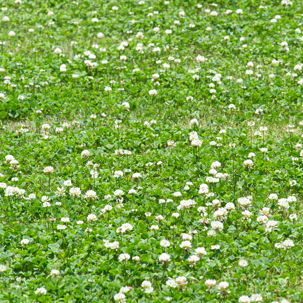
Clover Activity in Southwest Florida: What Homeowners Should Know
Clover is a common broadleaf plant found in many Southwest Florida lawns, especially during periods when turfgrass is stressed or not growing at full strength. While some homeowners appreciate clover’s green appearance, others see it as a sign their lawn needs attention. Understanding why clover appears and how to manage it is key to maintaining a healthy, uniform lawn.
What Is Clover?
Clover is a low-growing broadleaf plant that spreads quickly and competes with turfgrass for space, sunlight, and nutrients. Unlike grass, clover has the ability to fix nitrogen from the air, allowing it to thrive even when soil nutrient levels are low. This gives clover a competitive advantage in lawns that are thin or under-fertilized.
Why Clover Appears in Southwest Florida Lawns
Southwest Florida’s warm climate allows clover to remain active for much of the year. It is most commonly found in lawns experiencing one or more of the following conditions:
Low nitrogen levels, which limit grass growth
Thin or stressed turfgrass
Compacted soil
Inconsistent or shallow watering
Poor mowing practices
When turfgrass struggles, clover can quickly fill in open spaces and spread throughout the lawn.
Seasonal Clover Activity
Although clover can be present year-round in Southwest Florida, it often becomes more noticeable during cooler or transitional periods when grass growth slows. During these times, clover continues growing while turfgrass is less competitive, making infestations more visible.
How Westfall’s Lawn and Pest Control Manages Clover
At Westfall’s Lawn and Pest Control, clover management focuses on more than just weed removal. Long-term control starts with strengthening the lawn so weeds have fewer opportunities to establish.
Our approach includes:
Proper Fertilization
Balanced fertilization helps turfgrass grow thicker and healthier, reducing the open areas where clover thrives. Maintaining adequate nitrogen levels is especially important for preventing clover activity.
Smart Irrigation Practices
Overwatering or frequent shallow watering encourages shallow root systems and favors weeds like clover. We help homeowners adjust irrigation schedules to promote deeper root growth and stronger turf.
Targeted Weed Control
When clover becomes established, selective broadleaf herbicides may be applied as part of a comprehensive lawn care program. Treatments are chosen carefully to control clover while protecting the surrounding turfgrass.
Cultural Lawn Care Practices
Correct mowing height, regular maintenance, and addressing soil compaction all play an important role in limiting clover growth and encouraging dense turf.
Is Clover Always a Problem?
Some homeowners choose to tolerate small amounts of clover, while others prefer a more uniform lawn appearance. Regardless of preference, clover is often an indicator of underlying lawn health issues. Addressing those issues helps prevent future weed problems and improves the overall look and resilience of the lawn.
Final Thoughts
Clover activity in Southwest Florida is closely tied to lawn health, nutrient levels, and maintenance practices. With proper fertilization, irrigation management, and professional care, clover can be effectively controlled and prevented.
Westfall’s Lawn and Pest Control provides customized lawn care programs designed for Southwest Florida’s unique growing conditions—helping homeowners maintain healthy, attractive lawns year-round.