

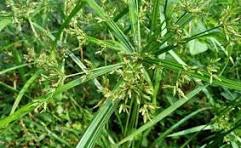
Sedge Grass in Southwest Florida Lawns: Identification, Prevention, and Treatment
If you’ve noticed clumps of grass that don’t quite match the rest of your lawn—or patches that seem unusually thick, coarse, or fast-growing—you might be dealing with sedge grass. For homeowners in Southwest Florida, sedge is one of the most common and frustrating lawn weeds, especially in St. Augustine, Bermuda, and Zoysia lawns.
At Westfall’s Lawn and Pest Control, we help homeowners understand, prevent, and treat sedge before it overtakes a healthy lawn. Here’s everything you need to know.
What is Sedge Grass?
Sedge grass, also called nutgrass or purple nutsedge, is a perennial weed that spreads quickly through underground tubers and rhizomes. Unlike normal lawn grass, sedge has:
Triangular stems (if you roll it between your fingers, it feels like a triangle rather than flat or round)
V-shaped leaf arrangement
Yellow-green leaves that are coarser than typical lawn grass
Rapid growth, especially in sunny, moist areas
Sedge thrives in Southwest Florida’s warm, humid climate and sandy soil, making it a common nuisance for homeowners.
Why Sedge Grass is a Problem
Outcompetes desirable lawn grass – Sedge spreads quickly, leaving bare spots or patchy areas.
Resistant to mowing – Mowing doesn’t remove sedge; it often spreads further.
Difficult to control with generic herbicides – Sedge requires targeted treatment because it grows from underground tubers.
Left untreated, sedge can take over an entire lawn in just one season.
Identifying Sedge Grass in Your Lawn
Look for the following signs:
Triangle stems – Roll the stem between your fingers; sedge feels triangular.
Clumps of upright, thick grass – Usually taller and coarser than your normal lawn.
Yellow-green color – Often stands out against darker lawn grass.
Spreading tubers – Pulling one plant won’t remove it; new shoots grow from underground tubers.
Pro Tip: Early detection is key. The sooner you spot sedge, the easier it is to control.
Preventing Sedge Grass
While completely preventing sedge is challenging in Southwest Florida, these tips reduce its impact:
Maintain a healthy, dense lawn – Thick grass crowds out weeds.
Proper irrigation – Avoid overwatering; sedge thrives in consistently wet areas.
Regular mowing – Keep your grass at the recommended height for your variety.
Fertilization – Healthy, well-fed lawns are more competitive against weeds.
Treating Sedge Grass
Manual Removal – Only effective for small patches. Dig up the plant and its underground tubers.
Targeted Herbicides – Sedge requires specific post-emergent herbicides labeled for nutsedge. Read the instructions carefully to avoid damaging your lawn.
Professional Lawn Care – Experienced technicians can identify the type of sedge, apply the proper treatment, and follow up to prevent regrowth.
At Westfall’s Lawn and Pest Control, we offer nutgrass and sedge control programs designed for Southwest Florida lawns, tailored to your grass type, soil, and climate.
Conclusion
Sedge grass is more than just an aesthetic problem—it’s a persistent invader that can damage your lawn if left untreated. The good news? With early detection, proper lawn care, and professional treatment, you can reclaim your yard and prevent sedge from spreading.
If you’re struggling with sedge or other lawn weeds in Southwest Florida, Westfall’s Lawn and Pest Control can help you identify, treat, and prevent them—keeping your lawn healthy, green, and beautiful year-round.