

Why Your Lawn Turns Brown in Winter: Understanding Seasonal Dormancy
If your lawn looks brown or dull during winter, especially in January, don’t panic—you’re likely seeing seasonal dormancy, not a dead lawn. In Manatee County and throughout much of Florida, this is a normal and natural response of warm-season grasses to cooler weather.
What Is Seasonal Dormancy?
Seasonal dormancy occurs when grass slows its growth to conserve energy. Warm-season grasses such as St. Augustine, Bahia, Bermuda, and Zoysia thrive in heat and sunlight. When temperatures drop and daylight hours shorten, these grasses reduce chlorophyll production, which causes blades to lose their green color and turn tan or brown.
Importantly, the grass is still alive. The root system remains intact and healthy, waiting for warmer spring conditions to return.
Why Dormancy Happens in January
January is typically one of the coolest months in Manatee County. Even though Florida winters are mild compared to northern states, nighttime temperatures can still fall low enough to trigger dormancy. Factors that contribute include:
Cooler soil temperatures
Shorter daylight hours
Reduced metabolic activity in grass plants
Some lawns may stay partially green if temperatures remain warm, while others go fully dormant—both outcomes are normal.
Dormancy vs. Dead Grass: How to Tell the Difference
A common concern is whether brown grass is dormant or dead. Here’s how to tell:
Dormant grass: Uniform brown or tan color across large areas, no foul smell, roots remain firm and anchored.
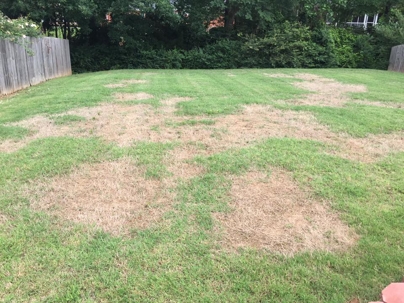
Dead grass: Patchy discoloration, thinning areas, grass pulls up easily, or roots appear damaged.
If most of your lawn changes color evenly after a cold spell, dormancy is the likely cause.
Common Mistakes Homeowners Make
Seeing brown grass often leads homeowners to overreact. The most common winter lawn care mistakes include:
Overwatering: Dormant grass needs much less water. Too much moisture can lead to fungal issues.
Fertilizing too early: Fertilizer won’t green up dormant turf and can damage roots or cause runoff.
Scalping the lawn: Cutting grass too short stresses it and exposes soil to weeds.
Resisting the urge to “fix” dormancy is often the best care you can provide.
How to Care for a Dormant Lawn
Even though your lawn isn’t actively growing, it still benefits from proper winter care:
Reduce irrigation: Water only when the soil is dry, typically every 10–14 days depending on rainfall.
Mow less often: Only mow when needed and keep blades slightly higher than summer height.
Avoid heavy traffic: Dormant grass is more vulnerable to damage from foot traffic or vehicles.
Watch for disease: Brown patch and other fungi can still appear in cool, wet conditions—especially in shaded or poorly drained areas.
When Will My Lawn Turn Green Again?
As temperatures warm in late February or March, dormant grass will gradually begin to green up. Spring recovery depends on:
Consistent warm soil temperatures
Proper watering
Timely fertilization (usually in early spring, not winter)
Patience is key. A healthy lawn will wake up on its own.
Final Thoughts
Seasonal dormancy is a sign of a lawn adapting to its environment, not failing. Brown grass in January is completely normal for Manatee County lawns and doesn’t mean your turf is damaged or neglected. By adjusting expectations and providing light, supportive care during winter, you set your lawn up for a strong, green return in spring.
Sometimes, the best thing you can do for your lawn is simply let it rest.