

Chinch Bug Season Is Starting in Southwest Florida: What Homeowners Need to Know
As temperatures rise and Southwest Florida moves into its warmer months, chinch bug season is beginning. These tiny lawn pests may be small, but they can cause significant damage to St. Augustine grass lawns if left untreated. Understanding how to identify, prevent, and manage chinch bug activity can help protect your landscape and keep your lawn healthy throughout the season.
What Are Chinch Bugs?
Chinch bugs are small insects that feed on grass by piercing the blades and extracting plant juices. While feeding, they also inject toxins into the grass, which can cause turf to yellow, brown, and eventually die.
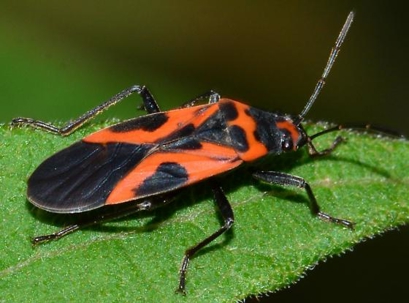
Adult chinch bugs are about one-fifth of an inch long with black bodies and white wings folded over their backs. Immature chinch bugs, called nymphs, are smaller and often appear reddish-orange with a distinctive white band across their bodies.
Why Are Chinch Bugs a Problem in Southwest Florida?
Southwest Florida's warm climate provides ideal conditions for chinch bugs to thrive nearly year-round. However, populations often begin increasing in spring and can become especially problematic during hot, dry periods.
St. Augustine grass, one of the most common lawn varieties in Florida, is particularly susceptible to chinch bug damage. Because chinch bugs reproduce rapidly, a small infestation can quickly become a widespread problem.
Signs of a Chinch Bug Infestation
Early detection is key to minimizing lawn damage. Homeowners should watch for:
- Irregular yellow or brown patches in the lawn
- Grass that appears drought-stressed despite adequate watering
- Areas where the grass dies and does not recover
- Damage that starts near sidewalks, driveways, or sunny locations
- Visible chinch bugs when inspecting affected areas closely
Chinch bug damage is often mistaken for drought stress, disease, or nutrient deficiencies, making professional inspection valuable when symptoms first appear.
How to Check for Chinch Bugs
One common method is to part the grass near the edge of a damaged area and look closely at the soil surface and thatch layer. Chinch bugs are often most active where healthy grass meets damaged turf.
If you notice small black insects moving quickly through the grass, or reddish nymphs clustered near the soil surface, chinch bugs may be present.
Preventing Chinch Bug Damage
While no lawn is completely immune, homeowners can reduce the risk of severe infestations by following good lawn care practices:
Water Properly
Avoid overwatering or underwatering. Deep, infrequent watering encourages stronger root systems and healthier turf.
Mow at the Recommended Height
Keeping St. Augustine grass at the proper mowing height helps reduce stress and improves overall lawn health.
Avoid Excessive Fertilization
Too much nitrogen can promote lush growth that may attract chinch bugs and increase susceptibility to damage.
Reduce Thatch Build-Up
Excessive thatch creates an ideal environment for chinch bugs to hide and reproduce.
Monitor Regularly
Routine lawn inspections can help identify problems before they become severe.
What to Do If You Find Chinch Bugs
If chinch bugs are detected, prompt treatment is important. Because these pests can spread quickly, delaying action often results in larger damaged areas and more costly repairs.
Professional pest management services can accurately identify chinch bug activity and recommend treatment options tailored to your lawn's specific needs. In some cases, multiple treatments and ongoing monitoring may be necessary to achieve effective control.
Protect Your Lawn This Season
Chinch bug season is just getting started in Southwest Florida, making now the perfect time to inspect your lawn and stay proactive. Early detection and proper lawn care can make a significant difference in preventing extensive turf damage.
If you notice yellowing or browning patches in your lawn, don't assume it's simply a watering issue. A professional inspection can help determine whether chinch bugs are the cause and provide solutions to keep your lawn looking its best all season long.