

Early Chinch Bug Signs in Spring: What to Watch For
As temperatures begin to rise in early spring across Southwest Florida, your lawn starts waking up from the slower winter months. While this seasonal transition brings new growth and greener grass, it also signals the return of one of the most damaging lawn pests in our area—chinch bugs.
Catching chinch bugs early is key to preventing widespread damage. Here’s what to look for before a small issue turns into a major problem.
What Are Chinch Bugs?
Chinch bugs are tiny insects that feed on your lawn by sucking moisture from grass blades and injecting toxins that disrupt the plant’s ability to transport water. This combination can quickly lead to thinning, browning turf—especially in St. Augustine grass, which is common in our region.
Early Signs of Chinch Bug Activity
1. Yellowing Patches That Don’t Improve
One of the first signs is small patches of grass that begin to yellow. At first glance, it may look like drought stress, but unlike dry areas, these spots won’t bounce back with watering.
2. Irregular Brown Spots
As chinch bugs continue feeding, yellow patches turn brown and begin to spread. These areas often have uneven edges and can expand quickly if left untreated.
3. Damage in Sunny Areas First
Chinch bugs thrive in heat, so infestations typically begin in areas of your lawn that get the most sun—like along sidewalks, driveways, and open yard spaces.
4. Grass That Feels Brittle or Dry
Even if you’re watering regularly, affected grass may feel dry and brittle to the touch. This is due to the bugs damaging the plant’s internal structure.
5. Presence of Bugs at the Soil Line
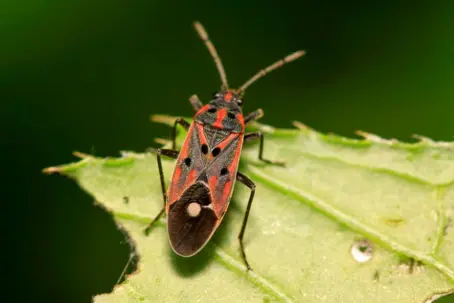
If you part the grass near damaged areas, you may spot small black insects with white wings moving quickly near the base of the grass. Early detection here can make a big difference.
Why Early Detection Matters
Chinch bugs reproduce rapidly in warm conditions, meaning a small population in early spring can explode into a full-blown infestation by early summer. The sooner you identify the signs, the easier—and more cost-effective—it is to control them.
What You Can Do
- Monitor your lawn regularly, especially in sunny, high-risk areas
- Avoid overwatering or over-fertilizing, which can stress your lawn
- Act quickly at the first sign of damage
Protect Your Lawn This Spring
Spring is the perfect time to stay ahead of chinch bugs before they take hold. A proactive approach not only protects your lawn’s appearance but also saves you from costly repairs later in the season.
If you’re noticing early signs of damage or want a professional inspection, Westfall’s Lawn and Pest is here to help. Our team understands the unique challenges of Southwest Florida lawns and can keep your turf healthy all season long.
A healthy lawn starts with early action—don’t let chinch bugs get the upper hand this spring.