

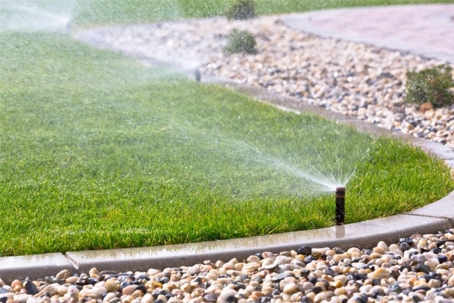
Best Watering Practices During Irrigation Restrictions
As temperatures rise in Southwest Florida, homeowners naturally begin focusing more attention on watering their lawns. However, with irrigation restrictions in place throughout Manatee and Sarasota Counties, many people wonder how to keep their lawns healthy while still following local watering guidelines.
The good news is that healthy lawns don’t necessarily need more water—they need smarter watering. In fact, proper irrigation practices can help your lawn stay greener, stronger, and more resilient even during the hottest months of the year.
Understanding how to water efficiently during irrigation restrictions is one of the most important parts of successful lawn care in Southwest Florida.
Why Irrigation Restrictions Exist
Watering restrictions are designed to:
- Conserve water resources
- Reduce unnecessary waste
- Protect groundwater supplies
- Encourage healthier irrigation habits
In Southwest Florida, watering too frequently is actually one of the leading causes of lawn stress, disease, and pest problems.
Restrictions encourage homeowners to water more efficiently rather than excessively.
Deep Watering Is Better Than Frequent Watering
One of the most common mistakes homeowners make is watering lightly every day.
Frequent shallow watering:
- Creates weak root systems
- Makes grass more dependent on constant moisture
- Increases stress during hot weather
- Encourages fungus and disease
Instead, lawns benefit more from deep, thorough watering on scheduled irrigation days.
Deep watering helps:
- Encourage stronger root growth
-Improve drought tolerance
-Increase lawn resilience
-Reduce stress during heat waves
Stronger roots allow your lawn to better handle Florida’s intense summer conditions.
Water Early in the Morning
The timing of irrigation matters just as much as the amount of water used.
The best time to water is:
-Early in the morning before temperatures rise
Morning watering:
- Reduces evaporation loss
- Allows moisture to soak into the soil
- Gives grass time to dry during the day
- Helps prevent fungal issues
Watering in the evening or at night can leave grass wet for too long, increasing the risk of lawn disease and fungus.
Avoid Overwatering
Many homeowners believe brown patches automatically mean the lawn needs more water—but overwatering can often create the same symptoms as underwatering.
Too much water can lead to:
- Fungus and disease
- Root rot
- Increased weed growth
- Pest infestations
- Shallow roots and weak turf
Lawns that remain constantly wet become much more vulnerable to stress and damage.
The goal is balanced moisture—not saturated soil.
Overwatering Attracts Lawn Pests
Excess moisture creates ideal conditions for many common Southwest Florida pests.
Overwatered lawns often attract:
- Chinch bugs
- Mole crickets
- Sod webworms
- Mosquitoes
- Ants and fleas
Maintaining proper irrigation habits helps reduce pest-friendly conditions while supporting healthier turf overall.
Check Your Irrigation System Regularly
Even a properly scheduled irrigation system can waste water if it isn’t functioning correctly.
Common irrigation problems include:
- Broken sprinkler heads
- Uneven spray patterns
- Leaks
- Overspray onto sidewalks or driveways
- Areas receiving too much or too little water
Routine inspections help ensure your lawn receives efficient and even coverage.
Healthy Lawn Habits Help Reduce Water Needs
Proper lawn maintenance works together with irrigation to improve drought tolerance.
Practices that help lawns retain moisture include:
-Mowing at the proper height
-Regular fertilization
-Healthy soil management
-Reducing lawn stress
-Controlling weeds and pests
Healthy lawns naturally use water more efficiently than stressed or damaged turf.
Learn to Recognize Signs of Lawn Stress
Before increasing watering, it’s important to understand what actual drought stress looks like.
Common signs include:
- Grass blades folding or curling
- A bluish-gray tint
- Footprints remaining visible after walking
- Dry, brittle turf
These symptoms may indicate your lawn needs attention—but not necessarily more frequent watering.
Smart Watering Leads to Healthier Lawns
The best lawns in Southwest Florida are not always the ones receiving the most water—they’re the ones receiving the right amount of water at the right time.
Smart irrigation practices during watering restrictions help:
- Strengthen your lawn
- Reduce pests and disease
- Improve root growth
- Conserve water responsibly
- Prepare your lawn for summer heat
Consistency and efficiency make all the difference.
Let Westfall’s Lawn & Pest Help
At Westfall’s Lawn & Pest, we help homeowners throughout Southwest Florida maintain healthy lawns while navigating seasonal challenges like irrigation restrictions, heat stress, pests, and disease.
If your lawn is struggling—or you’re unsure whether your watering habits are helping or hurting your turf—our team is here to help.
Contact Westfall’s Lawn & Pest today to learn more about our customized lawn care and pest control services designed specifically for Southwest Florida conditions.