

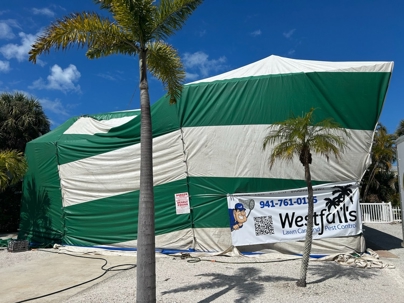
Termite Swarming Season in Southwest Florida: What Homeowners Need to Know
As temperatures rise and humidity levels increase in Southwest Florida, termite swarming season begins. For many homeowners, seeing flying insects around windows, doors, or outdoor lights can be alarming — and for good reason. Swarming termites are often the first visible sign of a nearby infestation.
Understanding what swarming means and knowing what to look for can help you protect your home from costly structural damage.
What Is Termite Swarming Season?
Termite swarming season typically occurs in late winter through spring in Southwest Florida. Swarmers are reproductive termites whose job is to leave an established colony, mate, and start new colonies elsewhere.
When you see swarmers, it doesn’t necessarily mean your home is already heavily infested — but it does indicate that termites are active in the area and that your property could be at risk.
Why Swarming Termites Are a Serious Warning Sign
After swarmers find a place to land, they shed their wings and begin forming new colonies. Homeowners often notice:
Flying termites indoors
Piles of discarded wings on windowsills or floors
Mud tubes along foundations or walls
Wood that sounds hollow or feels soft
Subterranean termites, which are common in our area, build mud tubes to travel between their colony and food sources. These tubes protect them from dry air and predators while they feed on the wood inside your home.
The concern is that termites work silently. By the time visible damage appears, they may have already caused significant structural issues.
Why Southwest Florida Homes Are at Higher Risk
Our warm, humid climate creates ideal conditions for termite activity nearly year-round. Moist soil, frequent rain, and wooden structural components all contribute to increased vulnerability.
Homes with mulch beds, wood-to-soil contact, or moisture issues around the foundation are especially attractive to termites.
The Cost of Waiting
Termites cause billions of dollars in property damage nationwide each year — and most homeowners insurance policies do not cover termite damage.
The longer an infestation goes untreated, the more extensive and expensive repairs can become. Early detection through professional inspection is the most effective way to minimize risk.
Professional Termite Protection Matters
At Westfall’s Lawn & Pest Control, we provide thorough termite inspections designed to identify early warning signs and risk factors. If activity is found, we develop a customized treatment plan to eliminate the problem and protect your home moving forward.
Whether you’re seeing swarmers or simply want peace of mind during swarming season, proactive protection is always the smart choice.
Don’t Ignore the Signs
If you notice flying termites or discarded wings in your home, don’t wait. Swarming season is a critical time to act.
Contact Westfall’s Lawn & Pest Control today to schedule your professional termite inspection and protect your home before termites make themselves at home.