

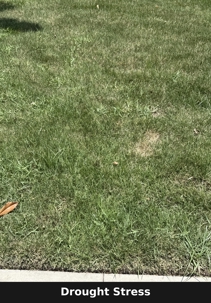
When rain disappears and watering restrictions tighten, it is natural to question every lawn-care expense. If the grass is already fading or slowing down, why continue a professional fertilization and lawn-care program?
Because drought does not put your lawn’s problems on pause. It changes what the lawn needs.
During dry conditions, the goal may shift from promoting color and top growth to protecting the turf’s root system, preserving its ability to tolerate stress, monitoring for insects and disease, and preparing it to recover when normal rainfall returns.
That distinction matters in Manatee and Sarasota counties, where St. Augustinegrass is common and hot, sunny areas can become vulnerable to chinch bug damage. Keeping a professional program active does not mean applying the same fertilizer on the same schedule regardless of conditions. It means keeping trained eyes on the lawn and adjusting the plan according to the weather, the condition of the turf, local ordinances, and product labels.
Drought Changes Lawn Care—It Does Not Eliminate the Need for It
A drought-stressed lawn may fold its leaf blades, take on a blue-gray cast, show footprints long after someone walks across it, or develop dry brown patches. Some browning can be a normal survival response.
Trying to force a bright-green appearance with excessive nitrogen or water can create more stress rather than less.
UF/IFAS recommends adjusting fertilization programs according to how the turf responds because a one-size-fits-all approach is not appropriate for Florida lawns. During severe drought, that may mean postponing a nitrogen application until rainfall or adequate irrigation resumes.
It can also mean modifying weed-control treatments, checking irrigation coverage, monitoring micronutrient needs, or concentrating on insect and disease surveillance.
The value of a professional program is not simply the fertilizer being applied. It is the inspection and decision-making that determine what should be applied, what should be delayed, and what problem needs attention first.
Healthy Roots Are the Lawn’s Drought-Survival System
Roots give turf access to the moisture and nutrients that remain below the surface. A shallow-rooted lawn can reach its limit quickly during dry conditions. A better-developed root system can explore more soil and generally has a greater capacity to withstand periods of moisture stress.
Root strength is built over time. Proper nutrition while the turf is actively growing, mowing at the correct height, and deep, properly timed irrigation all contribute to root development.
Repeatedly mowing St. Augustinegrass too low increases stress and discourages deep rooting. During periods of moisture stress, raising the mowing height within the recommended range helps protect the leaf area and root system.
This is why homeowners should not wait until a lawn is collapsing to think about its overall health. A consistent professional program helps develop resilience before drought arrives and then shifts toward preserving that investment while conditions are difficult.
Balanced Nutrition Supports Stress Tolerance—But More Is Not Better
Turf requires proper nutrition to maintain healthy cover and growth. Fertilization and other cultural practices influence overall lawn health and can reduce its vulnerability to weeds, insects, disease, and environmental stress.
That does not mean fertilizer makes grass immune to these problems, and it certainly does not mean every drought-stressed lawn needs nitrogen immediately.
Applying growth-promoting fertilizer when the turf does not have enough water to use it can be wasteful and may injure the lawn. Excessive nitrogen can also aggravate certain disease problems and contribute to thatch accumulation.
Professional lawn care should balance the lawn’s long-term nutritional needs against its current moisture level, temperature, grass type, soil conditions, and local fertilizer restrictions.
Both Manatee and Sarasota counties prohibit the application of lawn and landscape fertilizers containing nitrogen or phosphorus from June 1 through September 30. Those fertilizer blackout periods do not make the rest of a professional lawn-care program unnecessary.
Inspections, permitted treatments, micronutrient decisions, pest control, irrigation evaluation, and planning for the next legal and agronomically appropriate feeding window can all continue.
Chinch Bugs Often Exploit the Areas Drought Stresses First
Southern chinch bugs are the most important insect pest of St. Augustinegrass in Florida. They feed by drawing fluids from the crowns, stems, and stolons of the grass. Affected turf may turn yellow, then reddish-brown, before eventually dying as the damaged areas expand.
Their preferred locations make chinch bugs particularly deceptive during dry weather. Damage is commonly found in full-sun, water-stressed areas along sidewalks, driveways, and buildings.
A patch beside a driveway may look like nothing more than dry soil or reflected heat while chinch bugs are actively feeding around its edges.
Water alone will not correct an active chinch bug infestation. At the same time, treating every brown patch as chinch bug damage can waste pesticide and contribute to insecticide resistance.
The correct response begins with scouting and proper identification. Regular professional visits increase the likelihood that a small, expanding patch will be investigated before it becomes a large area of dead turf.
Drought, Insects, Irrigation Problems, and Disease Can Look Alike
A dry-looking lawn does not always have one clear cause.
A clogged sprinkler, misdirected irrigation head, compacted soil, localized chinch bug population, take-all root rot, gray leaf spot, mowing injury, or ordinary drought stress can produce similar symptoms. Several of these conditions can also occur at the same time.
That is why professional diagnosis becomes so valuable during a drought.
Adding fertilizer to a diseased lawn does not correct the disease. Increasing irrigation in an area with poor drainage may worsen disease pressure. Applying insecticide where no active insects are present will not repair a broken irrigation zone.
A lawn-care professional should inspect the pattern of damage, the edge of affected turf, the root zone, irrigation coverage, and signs of active pests before choosing a treatment.
What Should a Professional Lawn-Care Program Do During a Drought?
A responsible drought-season program should:
Inspect the lawn regularly instead of assuming every brown area is drought damage.
Adjust or postpone nitrogen when the turf is not actively growing or cannot use it safely.
Follow Manatee County, Sarasota County, and current water-management restrictions.
Check irrigation performance for dry zones, broken heads, overspray, and uneven coverage.
Monitor sunny, heat-reflective areas for chinch bugs.
Confirm active insect activity before recommending treatment.
Modify herbicide, fungicide, and insect-control decisions for turf already under moisture stress.
Recommend mowing and watering practices that protect the roots and support recovery.
Watering restrictions can change during declared shortages. Homeowners should verify the current watering schedule with the Southwest Florida Water Management District or their local utility rather than relying on an outdated calendar or neighborhood habit.
Canceling Lawn Care Can Turn Drought Stress Into a Larger Repair
It may be tempting to stop lawn service and wait for rain, but a gap in professional monitoring can allow a manageable problem to spread.
Chinch bugs may move beyond the original patch. Weeds can occupy areas where the turf has become thin. Irrigation problems can remain hidden. Disease symptoms may become noticeable only after the root system has already been affected.
By the time rainfall returns, the lawn may face more than ordinary drought recovery. It may also need pest treatment, weed control, disease management, or replacement sod.
The smarter approach is continuity with adjustment. Keep the professional lawn-care relationship in place, allow the treatment plan to respond to actual conditions, and judge success by the protection of the lawn and its ability to recover—not by whether it is forced to remain bright green during an extreme dry spell.
Keep Your Southwest Florida Lawn Protected Through the Dry Spell
Westfall’s Lawn & Pest Control serves homeowners throughout Manatee and Sarasota counties with lawn programs that combine professional inspection, seasonal nutrition, and targeted pest and disease care.
If your St. Augustinegrass is thinning, turning brown, or developing patches that continue to expand, do not assume drought is the only cause.
Learn more about Westfall’s fertilization and lawn-care programs, read our guide to keeping a Florida lawn healthy during drought conditions, or review the warning signs of chinch bug damage in Manatee and Sarasota counties.
Contact Westfall’s Lawn & Pest Control to schedule a professional lawn evaluation.
Frequently Asked Questions
Should I fertilize a drought-stressed Florida lawn?
Not automatically. If the turf is severely drought-stressed or unable to use nutrients, a professional may postpone nitrogen until rainfall or adequate legal irrigation resumes. The correct decision depends on the grass condition, weather, product label, local fertilizer regulations, and purpose of the application.
Why do chinch bugs become a concern during drought?
Southern chinch bugs commonly damage St. Augustinegrass in hot, sunny, water-stressed locations. Drought weakens the turf and creates dry-looking patterns that can conceal an active infestation, making professional scouting especially important.
Can chinch bug damage look like ordinary drought damage?
Yes. Both conditions can produce yellow or brown turf. Chinch bug patches frequently begin in full-sun areas near pavement and continue expanding as the insects spread. A technician should confirm live insects or other evidence before recommending treatment.
Does professional lawn care continue if fertilizer is postponed?
Yes. A complete lawn-care program includes inspection, diagnosis, irrigation observations, insect and disease monitoring, weed-management decisions, permitted treatments, and recovery planning. Fertilizer is one tool within the program—not the entire service.
How can I help protect my lawn’s roots during a drought?
Mow at the highest recommended height for your grass, keep mower blades sharp, avoid removing more than one-third of the leaf blade, reduce unnecessary traffic, and water only as permitted and needed. Correct irrigation coverage is generally more helpful than frequent, shallow watering.