

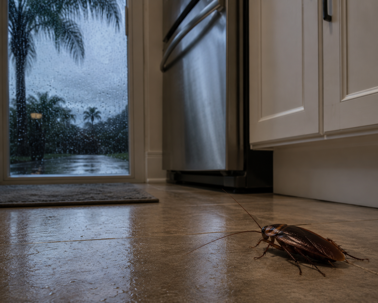
Why Palmetto Bugs Seem to Invade Your Home After Heavy Rain
If it seems like palmetto bugs suddenly appear inside your home after a heavy Florida rainstorm, you're not imagining it. Every year during the rainy season, homeowners across Manatee and Sarasota Counties notice an increase in these unwanted visitors. While many people assume rain "creates" more palmetto bugs, the truth is that wet weather forces them to look for new shelter—and your home is often the perfect place.
At Westfall's Pest Control, this is one of the most common pest concerns we receive during late summer. Understanding why it happens can help you protect your home before a minor nuisance becomes an ongoing problem.
What Is a Palmetto Bug?
The term palmetto bug is commonly used in Florida to describe the American cockroach, one of the largest cockroach species found in the United States. These insects can grow up to two inches long and are reddish-brown with a yellowish marking behind their head.
Despite the nickname, palmetto bugs are simply large outdoor cockroaches. Unlike German cockroaches, which typically infest kitchens and multiply rapidly indoors, American cockroaches generally prefer to live outside.
You'll commonly find them in:
- Mulch beds
- Palm trees
- Storm drains
- Sewer systems
- Leaf litter
- Wood piles
- Landscaped areas
- Damp crawl spaces
Why Rain Drives Them Indoors
Heavy rain dramatically changes the environment where palmetto bugs normally live.
Their hiding places quickly become saturated with water, flooding their nesting sites and reducing the dry areas they rely on for shelter. As a result, they begin searching for higher, drier locations.
Unfortunately, homes provide exactly what they're looking for.
During and after heavy rainfall, palmetto bugs commonly enter through:
- Gaps beneath exterior doors
- Garage doors
- Foundation cracks
- Utility penetrations
- Damaged weather stripping
- Dryer vents
- Plumbing openings
- Open windows and doors
Once inside, they'll seek out dark, humid areas where they can remain hidden during the day.
Why You See More at Night
Palmetto bugs are nocturnal insects.
They spend most of the daylight hours hiding in secluded areas and become active after sunset in search of food and water. That's why many homeowners first notice them when they turn on a kitchen light late at night or walk into the garage after dark.
Common indoor hiding spots include:
- Under sinks
- Laundry rooms
- Garages
- Utility closets
- Bathrooms
- Behind appliances
- Attics
- Water heater closets
Moisture Makes Your Home More Attractive
Rain doesn't just push palmetto bugs indoors—it also creates conditions they enjoy.
High humidity, standing water, and damp areas around the home provide the moisture they need to survive.
Common moisture sources include:
- Leaking pipes
- Wet mulch against the foundation
- Overflowing gutters
- Clogged drains
- Air conditioning condensation
- Damp garages
- Crawl spaces
- Poor drainage around the home
Reducing excess moisture can significantly decrease the likelihood of attracting these pests.
Signs You May Have More Than an Occasional Visitor
Seeing a single palmetto bug after a heavy rainstorm doesn't necessarily mean your home is infested. However, repeated sightings may indicate that bugs are regularly entering your home.
Watch for signs such as:
- Multiple palmetto bugs appearing each week
- Activity in several rooms
- Bugs consistently found in garages or bathrooms
- Egg capsules (oothecae)
- Dark droppings resembling coarse pepper
- Musty odors in severe infestations
If you're seeing them regularly, it's time for a professional inspection.
How to Reduce Palmetto Bug Activity
There are several steps homeowners can take to make their property less inviting.
Seal Entry Points
Inspect your home's exterior for openings around:
- Doors
- Windows
- Utility lines
- Plumbing penetrations
- Garage doors
Replacing worn weather stripping and sealing cracks can prevent many insects from entering.
Keep Mulch Away From the Foundation
Mulch retains moisture and provides excellent shelter for palmetto bugs.
Maintain a small gap between mulch beds and your home's foundation to reduce hiding places.
Eliminate Standing Water
Remove water that collects in:
- Flower pots
- Gutters
- Bird baths
- Buckets
- Tarps
- Low areas in the yard
Improving drainage also helps discourage many other pests.
Reduce Outdoor Clutter
Stacks of firewood, leaves, and yard debris create ideal harborage.
Keeping landscaping neat and trimming vegetation away from the home reduces potential hiding spots.
Maintain Your Home
Repair leaks promptly, keep drains clean, and ensure crawl spaces and garages remain as dry as possible.
Professional Protection Makes the Difference
While sealing entry points and reducing moisture can help, Florida's rainy season often brings continued palmetto bug pressure. Outdoor populations remain high, and even well-maintained homes can experience occasional invasions after prolonged periods of rain.
Professional pest control focuses on treating the areas where palmetto bugs live before they enter your home. Exterior barrier treatments, inspections, and targeted applications help reduce activity around the property and minimize indoor sightings.
Don't Let Rain Bring Pests Inside
Summer rain is great for Florida landscapes, but it also sends many pests searching for dry shelter. If you've started seeing palmetto bugs after recent storms, don't ignore the warning signs. Addressing the problem early can help prevent continued activity throughout the rainy season.
At Westfall's Pest Control, our experienced technicians know where palmetto bugs hide and how to keep them out of your home. We'll inspect your property, identify potential entry points, and provide a customized treatment plan designed for Florida's unique pest pressures.
If recent rain has brought palmetto bugs indoors, contact Westfall's Pest Control today. Call us at (941) 761-0125 or visit www.westfallspestcontrol.com to schedule your inspection and keep your home protected all season long.