

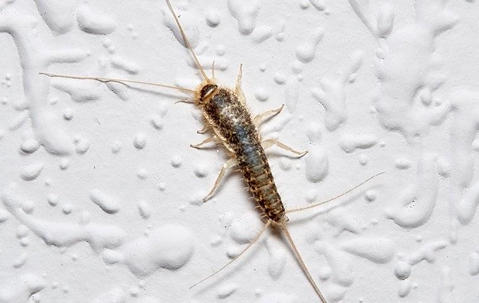
Silverfish Activity During Humidity: Why You’re Seeing More of These Pests in Southwest Florida
If you’ve recently noticed small, fast-moving silver insects around your bathroom, kitchen, garage, or storage areas, you’re not alone. Southwest Florida’s high humidity levels create the perfect environment for silverfish activity, especially during late spring and summer.
While silverfish are not dangerous to humans, they can become a frustrating nuisance inside homes and may damage paper products, fabrics, stored items, and other household materials over time.
At Westfall’s Lawn & Pest, we often see an increase in silverfish activity during humid months as these pests search for moisture-rich environments indoors.
What Are Silverfish?
Silverfish are small, wingless insects known for their silvery-gray appearance and fish-like movement. They are nocturnal pests that prefer dark, damp areas and often go unnoticed until populations begin increasing.
Silverfish typically hide during the day and become active at night, feeding on materials that contain starches, sugars, and carbohydrates.
Common food sources for silverfish include:
- Paper and books
- Cardboard boxes
- Wallpaper glue
- Fabrics and clothing
- Dry pantry items
- Pet food
- Dust and debris
Although they do not bite or spread disease, silverfish can damage personal belongings and become difficult to eliminate once established indoors.
Why Humidity Increases Silverfish Activity
Humidity is one of the biggest factors contributing to silverfish infestations in Southwest Florida. These pests thrive in warm, moist environments and are highly attracted to areas with excess moisture.
During periods of high humidity and rainfall, silverfish populations often increase because conditions become ideal for breeding and survival.
Common humidity-related factors that attract silverfish include:
- Poor ventilation
- Leaky pipes or plumbing
- Damp bathrooms
- Humid garages and storage rooms
- Moist attics or crawl spaces
- Condensation around windows or appliances
Homes with persistent moisture problems are especially vulnerable to silverfish activity.
Where Silverfish Are Commonly Found
Silverfish prefer quiet, dark areas with limited disturbance. They often hide in cracks, behind baseboards, under sinks, or inside storage boxes.
Common locations where homeowners may spot silverfish include:
Bathrooms
High moisture levels from showers and sinks make bathrooms a prime hiding spot.
Kitchens
Silverfish may gather near water sources, pantry areas, or underneath appliances.
Laundry Rooms
Warm temperatures and moisture create favorable conditions for activity.
Garages & Storage Areas
Cardboard boxes and humidity provide both shelter and food sources.
Attics & Closets
Silverfish are often attracted to stored papers, clothing, and undisturbed areas.
Signs of a Silverfish Problem
Silverfish are secretive pests, so infestations can grow before homeowners realize there is an issue.
Signs of silverfish activity may include:
- Seeing silverfish at night
- Small holes or damage in paper or fabrics
- Yellowish stains on stored materials
- Tiny pepper-like droppings
- Shed skins around hiding areas
Because they reproduce in hidden spaces, silverfish populations can continue growing if moisture issues are not addressed.
How to Reduce Silverfish Activity
The key to preventing silverfish problems is reducing moisture and eliminating favorable hiding conditions.
Helpful prevention steps include:
Reduce Indoor Humidity
Using dehumidifiers and improving airflow can make your home less attractive to silverfish.
Fix Water Leaks
Repair leaking pipes, faucets, or appliances quickly to reduce moisture buildup.
Improve Ventilation
Bathrooms, laundry rooms, and kitchens should have proper ventilation to help control humidity.
Eliminate Clutter
Cardboard boxes, stacked paper, and clutter provide hiding areas and food sources.
Store Items Properly
Keep papers, fabrics, and pantry items in sealed containers when possible.
Seal Entry Points
Cracks and gaps around walls, baseboards, and plumbing can allow silverfish to spread throughout the home.
Why Professional Pest Control Helps
Silverfish are often difficult to fully eliminate without professional treatment because they hide deep inside walls, storage areas, and moisture-prone spaces.
Professional pest control helps:
- Identify moisture-related problem areas
- Target hidden infestations
- Reduce breeding populations
- Prevent recurring activity
- Provide long-term protection
Treating only the visible insects often does not solve the underlying issue if moisture conditions remain favorable.
How Westfall’s Lawn & Pest Can Help
At Westfall’s Lawn & Pest, we understand the pest challenges Southwest Florida homeowners face during humid months. Our pest control services help target silverfish activity while also identifying conditions that may be contributing to the problem.
We work with homeowners to help protect their homes from nuisance pests and maintain a healthier indoor environment year-round.
Don’t Let Humidity Invite Pests Indoors
As humidity levels rise in Southwest Florida, silverfish activity often increases right along with it. Taking proactive steps now can help prevent larger infestations and protect your home from unwanted pests.
If you’re seeing increased silverfish activity around your home, contact Westfall’s Lawn & Pest today to learn more about our professional pest control services and how we can help keep your home protected year-round.