

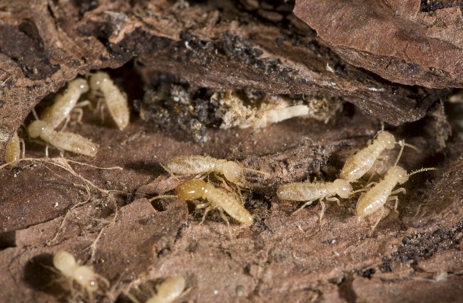
Termite Season May End, But Termites Don’t Go Away in the Fall
When most people think of termite season in Florida, they picture the warm spring and summer months when termite swarmers suddenly appear around homes, windows, doors, and outdoor lights.
But here’s something every Florida homeowner should know:
When termite swarming season ends, the termites don’t necessarily leave with it.
In fact, fall can be an important time to pay attention to your home because an established termite colony can continue causing damage long after the obvious signs of termite season have disappeared.
What Does “Termite Season” Really Mean?
When we talk about termite season, we’re usually talking about swarming season—the time of year when reproductive termites leave established colonies to find a mate and start new colonies.
Those flying termites are often what first alert homeowners to a potential problem.
You may notice:
- Winged termites around windows, doors, or lights
- Small piles of discarded wings
- Drywood termite pellets, also called frass
- Tiny kick-out holes in wood
- Wood that appears damaged, hollow, or weakened
Once the swarmers disappear, it can be tempting to assume termite season—and the threat—is over.
Unfortunately, that’s not how termites work.
Cooler Weather Doesn't Mean the Colony Is Gone
Florida’s mild climate provides conditions that allow termites to remain active throughout much of the year.
Termites living and feeding inside a home are also protected from many of the temperature changes happening outdoors. An established colony can remain hidden inside walls, attics, structural wood, furniture, and other wooden materials.
That means no swarmers does not necessarily mean no termites.
The termites doing the actual feeding can continue working quietly while homeowners see little or no evidence from the outside.
Fall Is a Great Time to Look for the Evidence
After the activity of spring and summer, fall is a good opportunity to inspect your home for signs that may have been left behind.
Pay particular attention around windowsills, baseboards, attics, doorframes, garages, lanais, and other areas containing exposed wood.
One especially important sign of drywood termites is frass.
Here’s an interesting—and slightly gross—termite fact: drywood termite droppings are tiny, hard pellets with six sides. Termites push these pellets out of small openings called kick-out holes, sometimes creating what looks like a tiny pile of sand or pepper beneath infested wood.
If you clean up a suspicious pile and it returns, that's something worth having professionally inspected.
Termites Are Experts at Staying Hidden
One of the biggest challenges with termites is that significant activity can occur without obvious signs.
Unlike many household pests, termites don't need to walk across your kitchen floor to cause problems. They can remain concealed within wood and other areas of a structure while continuing to feed.
By the time visible damage appears, the colony may have been present for quite some time.
That's why waiting for another swarm before thinking about termites isn't the best strategy.
Protect Your Home Beyond Termite Season
Your home is one of your biggest investments, and protecting it from termites shouldn't be limited to a few months of the year.
At Westfall's Lawn & Pest, we help Florida homeowners identify signs of termite activity and determine the appropriate next steps for protecting their homes.
If you noticed swarmers earlier this year, have found mysterious wings or pellets, or simply haven't had your home inspected recently, fall is a great time to get some peace of mind.
Remember: The swarm may be seasonal. The termites aren't.
Don't wait until next termite season to find out what may have been happening inside your home.
Contact Westfall's Lawn & Pest today to schedule a termite inspection and protect your home year-round.